
Seminario Fenix | Brian Tracy
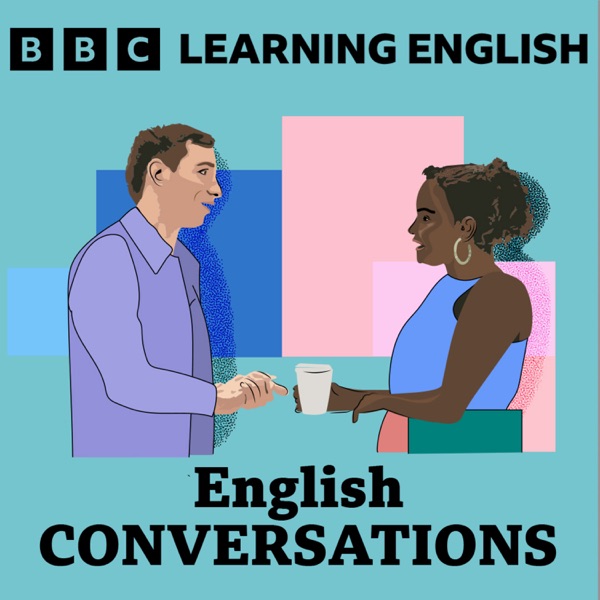
1251 - The English We Speak: Try one's patience
Everyday expressions and real English conversations to help make your English conversations easier.
Every week, we teach you a new phrase or word you can use in conversation with The English We Speak.
And we bring you special series to improve your English conversation.
Try Beating Speaking Anxiety to learn how to fight your fears of speaking English.
Find more at bbclearningenglish.com
Follow us at bbc.co.uk/learningenglish/followus
Try your patience means 'test your patience'. Find out how to use it here with Phil and Feifei. Get a free transcript for this episode here: https://www.bbc.co.uk/learningenglish/english/features/the-english-we-speak_2026/ep-261012 Have you signed up to our email newsletter yet? If not, what are you waiting for?! Get weekly tips from your favourite presenters: https://www.bbc.co.uk/send/u178220599 And check out our newly updated website homepage. Find what you're looking for more quickly and easily: https://www.bbc.co.uk/learningenglish/english
Try your patience means 'test your patience'. Find out how to use it here with Phil and Feifei. Get a free transcript for this episode here: https://www.bbc.co.uk/learningenglish/english/features/the-english-we-speak_2026/ep-261012 Have you signed up to our email newsletter yet? If not, what are you waiting for?! Get weekly tips from your favourite presenters: https://www.bbc.co.uk/send/u178220599 And check out our newly updated website homepage. Find what you're looking for more quickly and easily: https://www.bbc.co.uk/learningenglish/english
Try your patience means 'test your patience'. Find out how to use it here with Phil and Feifei. Get a free transcript for this episode here: https://www.bbc.co.uk/learningenglish/english/features/the-english-we-speak_2026/ep-261012 Have you signed up to our email newsletter yet? If not, what are you waiting for?! Get weekly tips from your favourite presenters: https://www.bbc.co.uk/send/u178220599 And check out our newly updated website homepage. Find what you're looking for more quickly and easily: https://www.bbc.co.uk/learningenglish/english
I’ve got too many plans. I’m going to sack them off and just chill out this week! Learn how to use 'sack something off' in this programme with Georgie and Feifei. Get a free transcript for this episode here: https://www.bbc.co.uk/learningenglish/english/features/the-english-we-speak_2026/ep-261005 Have you signed up to our email newsletter yet? If not, what are you waiting for?! Get weekly tips from your favourite presenters: https://www.bbc.co.uk/send/u178220599 And check out our newly updated website homepage. Find what you're looking for more quickly and easily: https://www.bbc.co.uk/learningenglish/english/
An expression to use when you feel stressed about something small and usually not worth the panic. Learn it here with Georgie and Feifei. Get a free transcript for this episode here: https://www.bbc.co.uk/learningenglish/english/features/the-english-we-speak_2026/ep-260928 Have you signed up to our email newsletter yet? If not, what are you waiting for?! Get weekly tips from your favourite presenters: https://www.bbc.co.uk/send/u178220599 And check out our newly updated website homepage. Find what you're looking for more quickly and easily: https://www.bbc.co.uk/learningenglish/english/
Same hair, same style, same ways of waking and talking? They might be the 'same person, different font'. Learn how to use this expression with Becca and Feifei. Get a free transcript for this episode here: https://www.bbc.co.uk/learningenglish/english/features/the-english-we-speak_2026/ep-260921 Have you signed up to our email newsletter yet? If not, what are you waiting for?! Get weekly tips from your favourite presenters: https://www.bbc.co.uk/send/u178220599 And check out our newly updated website homepage. Find what you're looking for more quickly and easily: https://www.bbc.co.uk/learningenglish/english/
Do you want to share a surprising opinion? Learn how to use 'hot take' with Feifei and Becca. Get a free transcript to read while you listen here: https://www.bbc.co.uk/learningenglish/english//features/the-english-we-speak_2026/ep-260914 Get weekly updates and tips for improving your English here: https://www.bbc.co.uk/send/u178220599 And check out our new website layout! We've given the homepage an update to make it easier to navigate: https://www.bbc.co.uk/learningenglish/english/ We'd love some feedback about our website, or any of our programmes. Just email us at learningenglish@bbc.co.uk